
Recommended Global Medical Webinars & Conferences
Asia Pacific & Middle East
Laboratory Medicine 2026
- Welcome Message
- About Laboratory Medicine 2026
- Why Attend?
- Target Audience
- Sessions & Tracks
- Market Analysis Report
- Visa and Travel Information for Attendees
- Past Conference Report
Welcome Message
Dear Esteemed Delegates, Speakers, and Guests,
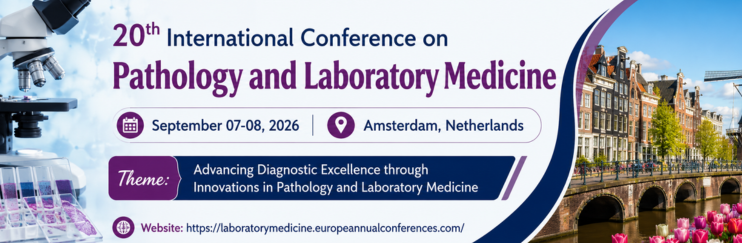
It is with great pleasure and excitement that we welcome you to the 20th International Conference on Pathology and Laboratory Medicine. This year, our theme, "Advancing Diagnostic Excellence through Innovations in Pathology and Laboratory Medicine," reflects our shared commitment to pushing the boundaries of medical science and diagnostic technology.
As we gather from across the globe, we are presented with a unique opportunity to collaborate, learn, and explore the latest advancements and innovations that are transforming the world of pathology and laboratory medicine. From cutting-edge diagnostic tools to novel approaches in patient care, this conference serves as a vital platform to exchange ideas and solutions that shape the future of healthcare.
Our collective efforts in the laboratory play an essential role in improving patient outcomes, and it is through our continuous pursuit of excellence that we make strides toward more precise, accurate, and efficient diagnostic practices. Together, we can pave the way for groundbreaking discoveries and innovations that will have a lasting impact on the field and the patients we serve.
We hope that you find this conference inspiring, engaging, and enriching, and we look forward to the collaborative discussions and ideas that will emerge over the course of these exciting sessions.
Warm regards,
The Organizing Committee
Laboratory Medicine 2026
September 07-08, 2026 | Amsterdam, Netherlands
About Laboratory Medicine 2026
The 20th International Conference on Pathology and Laboratory Medicine will be held on September 07-08, 2026, in Amsterdam, Netherlands bringing together a global community of pathologists, laboratory professionals, clinicians, researchers, academicians, and industry leaders.
Celebrating two decades of scientific excellence, this milestone edition of the conference serves as a premier international platform to explore emerging trends, cutting-edge technologies, and transformative innovations in pathology and laboratory medicine. Guided by the theme “Advancing Diagnostic Excellence through Innovations in Pathology and Laboratory Medicine,” the conference emphasizes the vital role of modern diagnostics in improving clinical decision-making and patient outcomes.
The scientific program will feature keynote lectures, plenary sessions, oral and poster presentations, panel discussions, and interactive workshops led by renowned experts from around the world. Topics will span a wide range of specialties, including histopathology, cytopathology, molecular diagnostics, hematopathology, clinical chemistry, microbiology, immunopathology, digital pathology, laboratory automation, artificial intelligence, and quality management systems.
In addition to its strong scientific focus, the conference aims to foster interdisciplinary collaboration, knowledge exchange, and professional networking. Participants will have opportunities to engage in meaningful discussions, share research findings, and build partnerships that drive innovation and excellence in laboratory practice.
Set in the culturally rich and historic city of Amsterdam, the conference also offers an inspiring environment for learning and collaboration. Attendees will experience a blend of scientific advancement and cultural exploration, making this event both professionally rewarding and personally enriching.
Why Attend?
- Gain insights from global experts in pathology and laboratory medicine
- Explore cutting-edge innovations in diagnostics and laboratory technologies
- Learn about advances in molecular diagnostics, digital pathology, and AI
- Enhance professional knowledge and clinical decision-making skills
- Network with international researchers, clinicians, and industry leaders
- Present and showcase research to a global scientific audience
- Discover new tools, technologies, and laboratory solutions
- Engage in interactive sessions, workshops, and panel discussions
- Stay updated with global standards and best laboratory practices
- Celebrate the 20th edition of a leading international conference
- Experience a world-class scientific event in Amsterdam, Netherlands
Target Audience
- Pathologists
- Laboratory Scientists
- Clinical Biochemists
- Hematologists
- Microbiologists
- Immunologists
- Molecular Biologists
- Cytogeneticists
- Medical Technologists
- Lab Managers
- Biomedical Researchers
- Clinical Researchers
- Forensic Scientists
- Histopathologists
- Clinical Pathologists
- Virologists
- Biotechnologists
- Academic Faculty (Medical & Laboratory Sciences)
- Graduate Students (Pathology & Lab Medicine)
- Postdoctoral Fellows
- Medical Laboratory Technicians
- Quality Control Specialists
- Laboratory Information System (LIS) Specialists
- Healthcare Professionals involved in Diagnostics
- Regulatory & Accreditation Specialists
The conference will be held in the beautiful city of Amsterdam, Netherlands, renowned for its rich history and cultural heritage. Amsterdam provides the perfect backdrop for this international gathering of professionals.
We invite you to join us at the 20th International Conference on Pathology and Laboratory Medicine in Amsterdam. This conference offers a unique opportunity to connect with leading experts, gain insights into the latest research, and contribute to the advancement of pathology and laboratory medicine. We look forward to welcoming you to this memorable event!
Sessions & Tracks
Session 01: Molecular and Clinical Diagnostics in Pathology
Molecular and clinical diagnostics have revolutionized pathology by enabling highly sensitive and specific detection of genetic, infectious, and metabolic disorders. Techniques such as PCR, real-time PCR, digital PCR, and next-generation sequencing (NGS) allow laboratories to identify minute amounts of DNA or RNA, facilitating early and accurate diagnosis. These tools are critical in oncology for detecting gene mutations and chromosomal abnormalities that guide targeted therapies and personalized treatment, and in infectious diseases for rapid pathogen identification when traditional methods are slow or inconclusive. Integration with conventional laboratory approaches, including hematology, clinical chemistry, and immunology, enhances diagnostic accuracy and provides comprehensive patient insights. Emerging technologies such as liquid biopsies, single-cell sequencing, and point-of-care testing offer minimally invasive, real-time monitoring options. Advances in laboratory automation, digital pathology, and AI-assisted image analysis improve workflow efficiency, reduce errors, and allow high-throughput processing. Emphasis on biomarker discovery, assay standardization, quality control, and regulatory compliance ensures reliability across laboratories. By leveraging these innovations, pathologists and laboratory scientists can provide precise, personalized diagnostic information, improving patient outcomes and advancing the field of modern medicine.
Session 02: Hematopathology and Immunodiagnostics
Hematopathology and immunodiagnostics focus on the study and diagnosis of diseases affecting the blood, bone marrow, lymphoid tissues, and immune system, encompassing conditions such as leukemias, lymphomas, anemia, coagulation disorders, and autoimmune diseases. Accurate diagnosis relies on a combination of morphological assessment, immunophenotyping, flow cytometry, cytogenetics, and molecular testing to identify abnormal cell populations and specific antigen markers. Techniques such as immunohistochemistry, enzyme-linked immunosorbent assays (ELISA), multiplex immunoassays, and cytokine profiling provide detailed insights into immune function, infection, and inflammatory responses. Bone marrow aspiration and biopsy remain essential for evaluating marrow cellularity, detecting infiltrative diseases, and guiding treatment strategies. Advances in single-cell immune profiling, next-generation sequencing, and AI-assisted digital microscopy have enhanced precision in detecting clonal populations, genetic mutations, and immune dysregulation. Integration of hematopathology with immunodiagnostic methods supports personalized therapy, monitoring of minimal residual disease, and early relapse detection in hematologic malignancies. Laboratory automation, standardized protocols, and stringent quality control measures ensure accuracy and reproducibility. Together, these approaches provide comprehensive evaluation of hematologic and immune-related disorders, enabling improved patient care, optimized treatment planning, and advancement of laboratory medicine through innovative diagnostic solutions.
Session 03: Digital Pathology and Artificial Intelligence
Digital pathology and artificial intelligence (AI) are reshaping laboratory medicine by enabling rapid, accurate, and reproducible diagnostic workflows. High-resolution whole-slide imaging, combined with advanced AI algorithms, allows pathologists to analyze tissue samples with enhanced precision, detecting subtle morphological changes that may be missed by traditional microscopy. AI-powered tools can assist in tumor grading, biomarker quantification, and identification of rare cellular events, thereby supporting personalized treatment planning and improved prognostic assessment. Integration of digital pathology with laboratory information systems (LIS) enhances data management, streamlines reporting, and facilitates remote consultation and telepathology. Machine learning models trained on large datasets provide predictive analytics for disease progression, risk stratification, and therapeutic response monitoring. Automation in image acquisition, analysis, and data interpretation reduces manual workload and minimizes human error, increasing throughput and efficiency in clinical laboratories. Additionally, digital archives enable longitudinal studies, educational resources, and collaborative research across institutions. Standardization, validation, and regulatory compliance remain critical for the reliable implementation of AI in diagnostics. The combination of digital imaging, computational pathology, and AI-driven analytics is revolutionizing laboratory medicine, improving diagnostic accuracy, accelerating workflows, and supporting precision healthcare initiatives.
Session 04: Advances in Immunology and Infectious Disease Diagnostics
Immunology and infectious disease diagnostics play a pivotal role in detecting, monitoring, and managing a wide spectrum of diseases. Cutting-edge techniques, including enzyme-linked immunosorbent assays (ELISA), multiplex immunoassays, flow cytometry, and molecular-based pathogen detection, provide rapid and precise identification of infections and immune disorders. The development of novel biomarkers enables early detection of viral, bacterial, and fungal pathogens, as well as autoimmune and inflammatory conditions. Integration of serological testing with molecular diagnostics enhances sensitivity and specificity, allowing clinicians to make timely and informed therapeutic decisions. Emerging technologies such as point-of-care immunodiagnostics, microfluidics, and next-generation sequencing support rapid, on-site testing, which is critical in outbreak management and resource-limited settings. Laboratory automation, data analytics, and AI-assisted interpretation improve efficiency, reduce errors, and facilitate high-throughput screening. Understanding host-pathogen interactions, immune responses, and cytokine profiling aids in personalized treatment strategies and vaccine development. Stringent quality control, assay validation, and adherence to regulatory standards ensure reproducibility and reliability. The ongoing innovation in immunology and infectious disease diagnostics strengthens clinical decision-making, enhances patient care, and contributes to global public health initiatives.
Session 05: Emerging Trends and Personalized Medicine in Pathology
The field of pathology and laboratory medicine is rapidly evolving toward personalized and precision healthcare, driven by advances in genomics, proteomics, metabolomics, and bioinformatics. Personalized medicine integrates detailed molecular, cellular, and immunological data to tailor diagnosis, prognosis, and treatment strategies to individual patients. Cutting-edge technologies, including next-generation sequencing, liquid biopsies, single-cell analysis, and multi-omics profiling, enable comprehensive characterization of diseases at the molecular level. Biomarker discovery and validation play a central role in identifying patient-specific therapeutic targets, monitoring treatment response, and predicting disease progression. Integration of laboratory data with electronic health records and advanced analytics allows clinicians to make informed decisions and design individualized care plans. Emerging trends such as AI-assisted diagnostics, digital pathology, and automated laboratory workflows enhance efficiency, accuracy, and reproducibility while supporting high-throughput analysis of complex datasets. The convergence of molecular diagnostics, immunology, and computational pathology is enabling earlier detection, more precise stratification of patients, and improved outcomes across oncology, infectious diseases, and chronic conditions. Collaborative efforts among pathologists, laboratory scientists, bioinformaticians, and clinicians are essential to translating these innovations into clinical practice. By embracing these emerging trends, pathology and laboratory medicine are transforming healthcare delivery, advancing research, and supporting the development of next-generation personalized therapies.
Session 06: Clinical Biochemistry and Metabolic Disorders
Clinical biochemistry plays a pivotal role in diagnosing, monitoring, and managing metabolic disorders, endocrine diseases, and organ dysfunctions by analyzing blood, urine, and other body fluids. Laboratory assessments of enzymes, metabolites, hormones, electrolytes, and lipids provide essential insights into patient physiology and disease progression. Advances in automated analyzers, high-throughput platforms, and mass spectrometry allow for rapid, precise, and reproducible testing, while point-of-care devices facilitate immediate bedside decision-making. Integration of biochemical results with molecular diagnostics, imaging, and clinical findings enhances early disease detection, therapeutic monitoring, and prognostic evaluation. The identification of novel biomarkers and the application of metabolomics enable a deeper understanding of complex metabolic pathways and personalized treatment strategies. Quality control, standardization of assays, and adherence to regulatory guidelines ensure reliable and accurate results across laboratories. By leveraging these innovations, clinical biochemistry supports informed clinical decision-making, optimizes patient management, and contributes to the advancement of precision medicine within pathology and laboratory medicine.
Session 07: Histopathology and Cytopathology Innovations
Histopathology and cytopathology remain cornerstone techniques in the diagnosis of neoplastic, infectious, and inflammatory diseases by examining tissues and cellular samples. Advances in staining methods, immunohistochemistry, and in situ hybridization have enhanced the ability to detect subtle morphological and molecular changes with high specificity. Digital pathology and whole-slide imaging, combined with AI-assisted image analysis, allow faster and more accurate interpretation of slides, facilitate remote consultations, and improve workflow efficiency. Cytopathology techniques, including fine-needle aspiration and liquid-based cytology, provide minimally invasive options for evaluating cellular abnormalities, especially in screening programs for cancers such as cervical, thyroid, and breast cancer. Integration of histopathology and cytopathology with molecular diagnostics, genomics, and personalized medicine approaches enables precise disease classification, prognosis prediction, and targeted therapy selection. Standardization, quality assurance, and laboratory automation ensure reproducibility and reliability, while ongoing research in tissue biomarkers and imaging technologies continues to expand diagnostic capabilities. Together, these innovations strengthen clinical decision-making, improve patient outcomes, and drive advancements in modern pathology and laboratory medicine.
Session 08: Microbiology and Infectious Disease Pathology
Microbiology and infectious disease pathology focus on the identification, characterization, and management of pathogens that cause bacterial, viral, fungal, and parasitic infections. Laboratory diagnosis combines traditional methods such as culture, microscopy, and serology with advanced molecular techniques including PCR, next-generation sequencing, and metagenomics for rapid and precise pathogen detection. Point-of-care diagnostics and automated laboratory systems enable timely identification of infections, critical for outbreak control, antimicrobial stewardship, and patient management. Immunological assays, cytokine profiling, and biomarker analysis provide insights into host-pathogen interactions, immune responses, and disease progression. Integration of microbiology with molecular pathology and digital reporting tools enhances accuracy, reproducibility, and clinical decision-making. Emerging technologies, including AI-assisted pathogen detection, high-throughput screening, and bioinformatics analysis, are transforming infectious disease diagnostics, enabling early detection, personalized treatment, and improved patient outcomes. Rigorous quality control, adherence to regulatory standards, and laboratory accreditation ensure reliable results and contribute to global public health initiatives.
Session 09: Toxicologic and Environmental Pathology
Toxicologic and environmental pathology examines the effects of chemicals, drugs, environmental pollutants, and other xenobiotics on tissues and organ systems, helping to understand disease mechanisms, assess risks, and ensure public safety. Laboratory approaches include histopathology, immunohistochemistry, molecular assays, and imaging techniques to detect cellular and tissue-level alterations caused by toxic exposures. Integration with clinical, biochemical, and molecular data supports comprehensive evaluation of toxicity, drug safety, and environmental health impacts. High-throughput screening, biomarker discovery, and advanced computational modeling enhance predictive toxicology and enable early identification of adverse effects. Automation, standardization, and rigorous quality control improve reproducibility, reliability, and efficiency in toxicologic studies. By providing insights into the interactions between environmental factors and human health, toxicologic and environmental pathology contributes to regulatory compliance, safer therapeutic development, public health protection, and advances in laboratory medicine.
Session 10: Laboratory Quality Management and Regulatory Compliance
Laboratory quality management and regulatory compliance are essential for ensuring accurate, reliable, and safe diagnostic testing across all areas of pathology and laboratory medicine. Implementation of standard operating procedures, quality assurance programs, proficiency testing, and continuous process improvement maintains laboratory excellence and minimizes errors. Laboratory information systems, automation, and digital tools enhance data management, traceability, and reporting efficiency. Adherence to international standards and regulatory frameworks such as ISO 15189, CAP, and FDA guidelines ensures consistency, reliability, and patient safety. Staff training, competency assessment, and accreditation processes support operational efficiency and compliance with best practices. Integration of quality management with emerging technologies and data analytics enables laboratories to meet increasing demands for precision, reproducibility, and efficiency while maintaining compliance with evolving regulatory requirements. By prioritizing quality and regulatory standards, laboratories strengthen clinical confidence, advance diagnostic capabilities, and contribute to the overall growth of pathology and laboratory medicine globally.
Session 11: Pediatric Pathology and Neonatal Diagnostics
Pediatric pathology and neonatal diagnostics focus on the unique disease processes and developmental disorders affecting infants, children, and adolescents. Accurate diagnosis relies on a combination of histopathology, molecular testing, immunohistochemistry, and metabolic assays tailored to pediatric physiology. Neonatal screening programs, including metabolic, genetic, and infectious disease tests, allow early detection and timely intervention, improving outcomes and long-term health. Integration of clinical, laboratory, and imaging data supports the identification of congenital anomalies, hematologic disorders, inherited metabolic diseases, and pediatric cancers. Advances in molecular diagnostics, next-generation sequencing, and point-of-care testing enable precise evaluation of rare and complex conditions. Standardized protocols, laboratory quality control, and adherence to pediatric-specific guidelines ensure reliable results and patient safety. By focusing on the unique aspects of pediatric and neonatal pathology, laboratories provide targeted care, support personalized treatment strategies, and contribute to research in developmental and pediatric medicine.
Session 12: Cancer Pathology and Oncologic Diagnostics
Cancer pathology and oncologic diagnostics focus on the detection, characterization, and monitoring of malignant diseases, providing critical information for prognosis and treatment planning. Techniques include histopathology, cytopathology, immunohistochemistry, molecular diagnostics, and genomic profiling to identify tumor type, grade, and genetic alterations. Liquid biopsies, next-generation sequencing, and targeted biomarker analysis enable minimally invasive detection of circulating tumor cells, DNA, and RNA, supporting early diagnosis, treatment response monitoring, and relapse prediction. Integration of molecular, immunologic, and clinical data enhances precision medicine approaches, allowing individualized therapeutic strategies. Advances in AI-assisted image analysis, digital pathology, and automated laboratory workflows improve accuracy, reproducibility, and efficiency in oncologic diagnostics. Quality control, standardized protocols, and adherence to regulatory guidelines ensure reliable results across laboratories. By combining traditional pathology with modern molecular and computational techniques, cancer diagnostics continue to advance personalized treatment, improve patient outcomes, and drive innovation in laboratory medicine.
Session 13: Neurodegenerative and Neuropathology Diagnostics
Neurodegenerative and neuropathology diagnostics focus on understanding, detecting, and monitoring diseases affecting the central and peripheral nervous systems, including Alzheimer’s, Parkinson’s, Huntington’s disease, and multiple sclerosis. Laboratory evaluation combines histopathology, immunohistochemistry, molecular assays, and advanced imaging techniques to identify pathological hallmarks such as protein aggregates, neuronal loss, and demyelination. Cerebrospinal fluid analysis, biomarker profiling, and genetic testing provide insights into disease progression, prognosis, and therapeutic responses. Integration of digital pathology, AI-assisted image analysis, and high-throughput molecular techniques enhances diagnostic accuracy and efficiency. Research on neuroinflammation, synaptic dysfunction, and neuronal biomarkers contributes to early detection and the development of targeted therapies. Standardization of laboratory protocols, rigorous quality control, and adherence to regulatory standards ensure reliable results for clinical decision-making. By combining traditional neuropathology with cutting-edge molecular and computational methods, laboratories advance precision diagnostics and personalized care for patients with neurodegenerative disorders.
Session 14: Cardiovascular Pathology and Molecular Cardiology
Cardiovascular pathology and molecular cardiology focus on the diagnosis, prevention, and management of heart and vascular diseases through detailed tissue, cellular, and molecular analysis. Laboratory approaches include histopathology, immunohistochemistry, molecular diagnostics, and biomarker profiling to detect structural abnormalities, myocardial injury, and genetic predispositions. Techniques such as proteomics, metabolomics, and next-generation sequencing provide insights into molecular mechanisms underlying cardiomyopathies, atherosclerosis, and congenital heart defects. Integration of clinical data, imaging, and laboratory findings supports risk stratification, early detection, and personalized therapeutic strategies. Advancements in high-throughput screening, digital pathology, and AI-assisted analytics enhance diagnostic accuracy, reproducibility, and workflow efficiency. Quality assurance, standardized protocols, and adherence to regulatory guidelines ensure reliable and consistent results. By combining traditional pathology with molecular and computational innovations, cardiovascular diagnostics enable precision medicine, improve patient outcomes, and contribute to research and development in heart and vascular diseases.
Session 15: Genomic Pathology and Precision Medicine
Genomic pathology and precision medicine focus on integrating genetic, genomic, and molecular data to provide individualized diagnostic, prognostic, and therapeutic strategies. Techniques such as next-generation sequencing, whole-genome and exome analysis, RNA sequencing, and CRISPR-based assays enable the identification of mutations, gene fusions, and biomarkers associated with various diseases, including cancer, rare genetic disorders, and inherited conditions. The integration of genomic data with clinical, histopathological, and biochemical findings allows for patient-specific treatment planning, targeted therapies, and monitoring of therapeutic response. Bioinformatics, artificial intelligence, and data analytics enhance the interpretation of complex genomic datasets, improving diagnostic accuracy and workflow efficiency. Standardized laboratory protocols, rigorous quality control, and compliance with regulatory guidelines ensure reproducibility and reliability across genomic testing platforms. By combining genomic insights with advanced pathology, this field advances precision medicine, supports early disease detection, and promotes the development of innovative, personalized therapeutic interventions.
Session 16: Telepathology and Remote Diagnostics
Telepathology and remote diagnostics are transforming pathology by enabling real-time consultation, diagnosis, and collaboration across geographic boundaries. Using digital imaging, whole-slide scanning, and secure cloud-based platforms, pathologists can remotely review tissue sections, cytology slides, and clinical specimens with high resolution and accuracy. Integration of artificial intelligence and machine learning algorithms enhances automated image analysis, identifying abnormalities, quantifying biomarkers, and supporting clinical decision-making. Telepathology facilitates access to expert opinions, second reviews, and subspecialty consultations, improving diagnostic accuracy and reducing turnaround times, especially in underserved regions. Remote diagnostics also support educational initiatives, virtual training, and global collaborative research, fostering knowledge exchange among laboratories and institutions. Standardized protocols, data security measures, and regulatory compliance ensure reliability, patient confidentiality, and quality control in digital pathology workflows. By combining advanced imaging, AI, and connectivity, telepathology expands access to diagnostic services, enhances laboratory efficiency, and contributes to the global advancement of pathology and laboratory medicine.
Session 17: Laboratory Informatics and Data Analytics
Laboratory informatics and data analytics play a critical role in modern pathology by managing, integrating, and interpreting complex clinical and laboratory datasets. Laboratory Information Systems (LIS), electronic health records, and cloud-based platforms streamline workflow, ensure accurate data capture, and facilitate reporting. Advanced data analytics, artificial intelligence, and machine learning algorithms enable pattern recognition, predictive modeling, and real-time quality control, supporting evidence-based clinical decision-making. Integration of genomics, molecular diagnostics, and high-throughput testing data enhances precision medicine and personalized treatment strategies. Visualization tools and interactive dashboards allow laboratories to monitor key performance indicators, optimize resource utilization, and improve operational efficiency. Compliance with data security standards, regulatory guidelines, and quality assurance protocols ensures reliability, reproducibility, and patient confidentiality. By leveraging informatics and analytics, pathology laboratories can enhance diagnostic accuracy, drive innovation, and contribute to global healthcare improvements through data-driven insights.
Session 18: Advanced Imaging and Digital Pathology
Advanced imaging and digital pathology are revolutionizing diagnostic workflows by providing high-resolution visualization, quantitative analysis, and remote accessibility of tissue and cellular specimens. Techniques such as whole-slide imaging, confocal microscopy, fluorescence imaging, and 3D tissue reconstruction allow detailed examination of morphology and molecular markers with unprecedented precision. Integration of artificial intelligence and machine learning enables automated detection of abnormalities, pattern recognition, and predictive analytics, enhancing diagnostic accuracy and efficiency. Digital pathology platforms facilitate teleconsultations, second opinions, collaborative research, and education, bridging gaps between geographically dispersed laboratories and experts. Standardization of imaging protocols, quality assurance measures, and regulatory compliance ensures reliable and reproducible results. By combining cutting-edge imaging technologies with computational analysis, digital pathology advances personalized medicine, supports high-throughput diagnostics, and strengthens global collaboration in pathology and laboratory medicine.
Session 19: Point-of-Care Testing and Rapid Diagnostics
Point-of-care testing (POCT) and rapid diagnostics have transformed clinical decision-making by providing immediate, accurate, and actionable results at the patient’s bedside or in decentralized settings. These tests encompass a wide range of applications, including infectious diseases, metabolic disorders, hematology, cardiac biomarkers, and pregnancy or fertility assessments. Advancements in microfluidics, biosensors, immunoassays, and molecular amplification technologies have increased sensitivity, specificity, and reliability, enabling timely diagnosis and treatment initiation. Integration with digital platforms and mobile health applications allows real-time data capture, reporting, and remote monitoring, improving workflow efficiency and patient management. Regulatory compliance, quality control, and standardization of POCT devices ensure consistency and safety in clinical practice. By bridging laboratory diagnostics with patient-centered care, point-of-care testing enhances rapid clinical decision-making, supports public health initiatives, and advances the accessibility and impact of pathology and laboratory medicine worldwide.
Session 20: Emerging Technologies and Future Directions in Pathology
Emerging technologies are reshaping the landscape of pathology and laboratory medicine, driving innovation in diagnostics, research, and patient care. Advances in artificial intelligence, machine learning, digital pathology, and high-throughput molecular techniques enable faster, more accurate, and personalized diagnostic solutions. Novel approaches such as liquid biopsies, multi-omics profiling, 3D tissue modeling, and nanotechnology-based assays provide deeper insights into disease mechanisms, early detection, and therapeutic response monitoring. Integration of telepathology, laboratory informatics, and data analytics enhances collaboration, workflow efficiency, and decision-making in both clinical and research settings. Standardization, quality control, and adherence to regulatory frameworks ensure reliability, reproducibility, and patient safety across these emerging platforms. By embracing these innovations, the field of pathology continues to advance precision medicine, improve patient outcomes, and shape the future of global healthcare delivery.
Market Analysis Report
The field of pathology and laboratory medicine is a cornerstone of modern healthcare, providing critical diagnostic information that guides patient care. The global market has experienced steady growth, driven by rising chronic disease prevalence, increasing demand for accurate diagnostics, and advancements in laboratory technology. The market includes a wide range of tests, such as molecular diagnostics, clinical chemistry, hematology, immunology, and microbiology, with hospitals, diagnostic labs, research institutions, and academic centers serving as the primary end-users.
Technological innovations, including digital pathology, next-generation sequencing, mass spectrometry, and AI-powered diagnostic tools, are transforming the industry. These advancements improve diagnostic accuracy, efficiency, and workflow, while emerging trends like telepathology, point-of-care testing, and liquid biopsies are expanding the scope of services. The market is highly competitive, with key players such as Quest Diagnostics, LabCorp, Roche Diagnostics, Thermo Fisher Scientific, and Siemens Healthineers focusing on innovation, partnerships, and expanding their offerings.
Looking ahead, the global pathology and laboratory medicine market is expected to nearly double over the next decade, growing from approximately USD 18.8 billion in 2025 to USD 36 billion by 2035 for pathology services, while digital pathology alone could reach USD 6.5 billion. Growth is fueled by an aging population, increased disease burden, expansion of personalized medicine, and integration of advanced technologies. Despite challenges like regulatory complexities and workforce shortages, the industry presents significant opportunities for innovation, collaboration, and the development of novel diagnostic solutions.
List of Societies and Associations Related to Pathology Meetings
- European Society of Pathology (ESP)
- Asian Society for Clinical Pathology and Laboratory Medicine (ASCPaLM)
- International Academy of Pathology (IAP)
- International Society for Animal Clinical Pathology (ISACP)
- International Society for Pathophysiology (ISP)
- World Association of Societies of Pathology and Laboratory Medicine (WASPaLM)
- American Society for Investigative Pathology (ASIP)
- American Society for Clinical Pathology (ASCP)
- American Society of Cytopathology (ASC)
- Armed Forces Institute of Pathology (AFIP)
- Asia Pacific Pathology (APP)
- Australasian Plant Pathology Society
- British Association for Cytopathology (BAC)
- British Society for Plant Pathology (BSPP)
- Canadian Society of Cytopathology
- China Society for Plant Pathology (CSPP)
- European Society of Toxicologic Pathology (ESTP)
- European Society of Veterinary Pathology
- Federation of South African Societies of Pathology (FSASP)
- International Congress of Plant Pathology
- International Society for Plant Pathology (ISPP)
- Japanese Society of Pathology
- Korean Society of Plant Pathology (KSPP)
- Latin American Association for Plant Pathology (ALF)
- Mexican Society for Plant Pathology (SMF)
- North American Society of Head and Neck Pathology (NASHNP)
- Norwegian Society of Plant Pathology
- Plant Pathology Society of Kenya
- Royal Netherlands Society of Plant Pathology (KNPV)
- Swiss Society of Pathology
Participants & Participation Options
Speaker
- Deliver keynote or invited lectures.
- Share cutting-edge research, innovations, and insights with global delegates.
Delegate
- Attend scientific sessions, panel discussions, and networking events.
- Access conference materials and interact with experts across the field.
Poster Presenter
- Showcase original research through printed or digital posters.
- Engage in one-on-one discussions with attendees and experts.
Exhibitor
- Display products, technologies, or services in dedicated exhibition spaces.
- Network with delegates, potential clients, and collaborators.
Video Presentation
- Present research findings or innovations via recorded video sessions.
- Ideal for participants unable to attend in person.
E-Poster Presenter
- Share research electronically through interactive e-posters.
- Participate in virtual discussions and Q&A sessions with attendees.
Virtual Registration
- Attend live-streamed keynote sessions, scientific presentations, and panel discussions online.
- Access conference recordings, digital materials, and participate in virtual networking.
- Ideal for international participants or those unable to attend in person.
-
Earn CPD/CME points
-
Networking opportunities with global experts and peers
-
Certificate of participation
-
DOI publication opportunities in conference proceedings
-
Access to cutting-edge research
-
Professional visibility for speakers, presenters, and exhibitors
-
Opportunities for global collaboration
Abstract Submission & Registration Timeline
- Abstract Submission Open: Now Open
- Early Bird Registration: May 07, 2026
- Standard Registration: August 07, 2026
- Final Registration Deadline: September 07, 2026
- All abstracts submitted will undergo a peer-review process to ensure scientific quality and relevance.
- Authors will receive an Abstract Acceptance Letter upon approval, confirming inclusion in the conference program.
- Accepted abstracts will be published in the conference proceedings with DOI, providing global visibility and citation opportunities.
For any questions or assistance regarding the 20th International Conference on Pathology and Laboratory Medicine, abstract submission, registration, or participation, please contact:
- Email: contact@speakermeeting.com
- Phone: +44 2880 090005
- Website: https://laboratorymedicine.europeannualconferences.com/
You can also reach out via our social media channels for updates, announcements, and support.
Visa and Travel Information for Attendees
To attend and participate in a conference in Amsterdam, you should apply for a Business Visa. For the correct application form and detailed guidance, please contact your nearest travel agent, visa information center, or the French Embassy. All visas for visiting Amsterdam are processed by the respective authorities and require the submission of proper documents through the correct channels.
Failure to provide the necessary documents or adhere to the guidelines may result in the cancellation of your visa application by the authorities. The essential documents typically required for a visa application include:
- Letter of Invitation: Issued by the conference organizers.
- Abstract Acceptance Letter: If you are a speaker at the conference.
- Registration Payment Receipt: Proof of payment for the conference registration.
- Accommodation Confirmation Letter: Issued under the conference letterhead.
Please note that to receive the Letter of Invitation and Accommodation Confirmation, you must first pay the registration fees and accommodation charges. All required documents from the conference secretariat should be obtained only through the Laboratory Medicine Organizing Team. Click here to Register
Past Conference Report
Laboratory Medicine 2025
The 19th International Conference on Pathology and Laboratory Medicine is a premier event dedicated to advancing the frontiers of diagnostic excellence and laboratory innovation. This year’s conference promises an unparalleled opportunity to engage with leading experts, explore groundbreaking research, and discuss the latest developments in pathology and laboratory medicine.
Conference Objectives:
- Foster collaboration and networking among professionals in pathology and laboratory medicine.
- Showcase the latest research findings and innovations in the field.
- Provide a platform for researchers and scholars to present their work and receive valuable feedback.
- Discuss emerging trends and challenges in pathology and laboratory medicine.
- Promote interdisciplinary research and collaboration in related fields.
Past Reports Gallery
To Collaborate Scientific Professionals around the World
Conference Date September 07-08, 2026
For Sponsors & Exhibitors
Speaker Opportunity
Useful Links
Supported By
All accepted abstracts will be published in respective Conference Series International Journals.
Abstracts will be provided with Digital Object Identifier by